
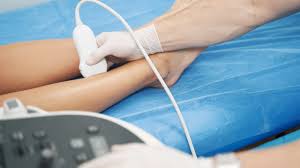
Digital rehabilitation has become a vital resource for individuals seeking structured support for lower limb mobility issues. With online physiotherapy services becoming more accessible, people can now receive expert guidance from the comfort of their homes. This shift has contributed to a growing interest in remote care models, especially among patients recovering from injuries or managing chronic mobility concerns. Recent trends show an increasing number of individuals turning to virtual sessions due to convenience, flexibility, and consistent access to expert instruction.
Online lower limb physiotherapists offer targeted interventions that focus on strengthening, stability, and functional movement. Lower limb physiotherapist online sessions often use video assessments, personalized exercise plans, and continuous progress tracking to ensure patients stay on the right path. The emphasis on data-driven adjustments ensures that each treatment plan adapts to the user’s needs, promoting safe and effective rehabilitation.
Why Are More Patients Choosing Digital Rehabilitation?
Studies indicate that convenience is one of the most influential factors in choosing online physiotherapy. Many individuals with lower limb conditions face limitations in mobility, making travel to clinics difficult. Virtual care removes transportation barriers, allowing patients to attend sessions regularly. Consistency, which is a crucial element of successful rehabilitation, improves significantly when accessibility challenges are minimized.
Additionally, digital physiotherapy platforms often include structured progress metrics. These can include mobility scores, pain trend charts, and exercise completion rates. Such statistical insights help both patient and physiotherapist monitor improvements, identify areas needing attention, and make quicker adjustments to treatment routines.
Patient satisfaction surveys also reveal that virtual sessions increase adherence to prescribed exercises. With digital reminders, instructional videos, and real-time feedback, participants often feel more supported throughout their rehabilitation journey.
What Benefits Do Lower Limb Patients Gain from Online Physiotherapy?
Lower limb physiotherapy typically focuses on areas such as the knee, ankle, hip, and foot—regions essential for balance, walking, and daily movement. Online physiotherapy enhances treatment outcomes by offering structured, high-quality guidance without geographic limitations.
Patients benefit from personalized rehabilitation programs tailored to specific concerns like ligament injuries, post-surgery recovery, osteoarthritis, and muscle imbalances. Virtual sessions often incorporate functional movement tests, which allow therapists to observe gait patterns, joint alignment, and range of motion. These assessment techniques support accurate diagnosis and progressive treatment planning.
Furthermore, statistical reports from digital platforms show that personalized home-exercise programs often yield higher engagement rates compared to generic routines. When exercises are clearly demonstrated and reinforced through online interaction, users tend to follow them more consistently.
How Do Online Physiotherapists Maintain Quality and Precision?
One of the most common questions regarding online rehabilitation revolves around accuracy. Digital physiotherapy services utilize high-definition video, guided assessments, and structured motion evaluations to maintain precision. Many platforms incorporate tracking tools that measure progress using repeatable tests, helping physiotherapists quantify improvements over time.
Moreover, therapists are trained to observe subtle indicators such as weight distribution, stride length, joint positioning, and compensatory movements. These visual cues allow for thorough assessments even without physical contact. Regular follow-ups ensure that exercises remain safe as strength and mobility gradually increase.
Can Online Lower Limb Physiotherapy Improve Long-Term Mobility?
Long-term mobility improvements often rely on early intervention, consistent exercise, and proper guidance. Online physiotherapy meets all three requirements by delivering timely sessions, adaptable routines, and continuous expert support.
Data from digital rehabilitation usage patterns show that individuals who engage with structured online programs often maintain their mobility gains for longer periods. This is largely because online tools encourage ongoing exercise habits even after formal treatment ends. By providing accessible resources and personalized strategies, digital physiotherapy supports sustained progress and better long-term outcomes.
In conclusion, online lower limb physiotherapy is reshaping the way people approach mobility recovery. Through expert digital rehabilitation, patients receive personalized, flexible, and statistically informed care that promotes steady improvement. As digital health continues to evolve, this approach offers a promising path for individuals seeking effective mobility enhancement from anywhere in the world.
