
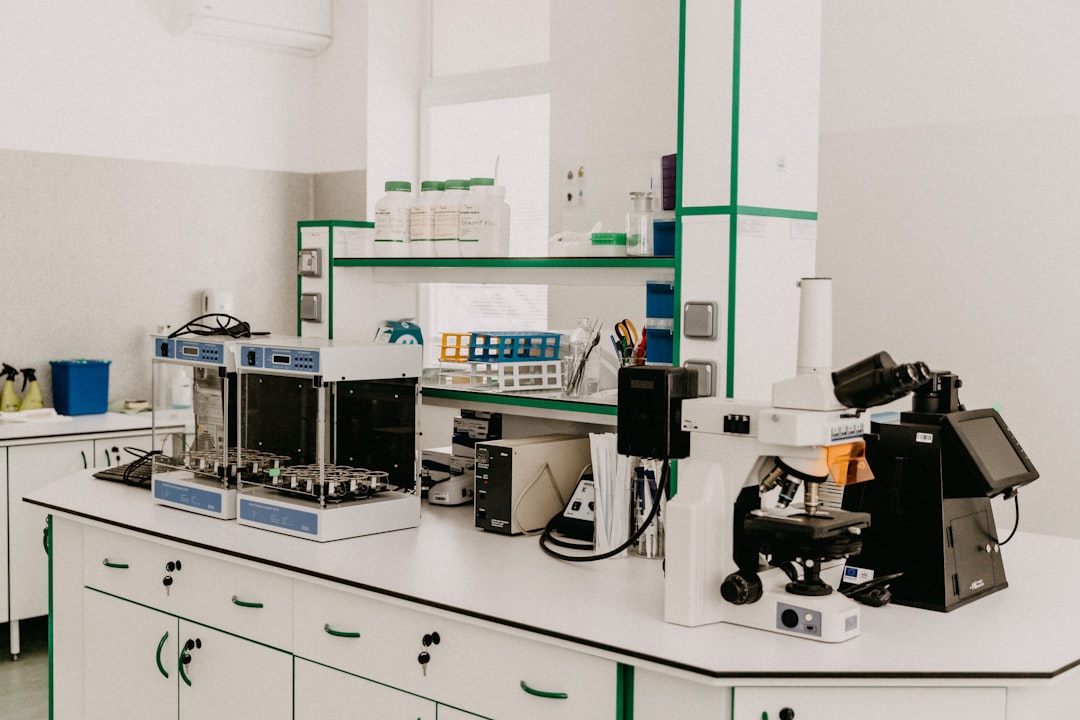
What role do stem cell applications play in modern medical research?
Stem cell applications have become an important area of exploration in regenerative medicine, especially for conditions involving tissue repair and recovery. Research in this field focuses on understanding how the body may use biological processes to support healing and improve patient outcomes. The work associated with Dr Kenneth Pettine reflects a continued interest in advancing innovative approaches for spinal health and regenerative solutions. By studying emerging technologies, researchers aim to develop methods that can address complex medical challenges while supporting long-term improvements in patient care.
How are stem cell techniques changing the approach to spinal treatments?
Traditional treatment methods have often focused on managing symptoms through established procedures, while regenerative approaches investigate ways to support natural healing mechanisms. Stem cell research has introduced new possibilities by examining how specialized cells may contribute to repairing damaged structures. These developments encourage medical professionals to evaluate treatment strategies that focus not only on immediate relief but also on preserving function and improving quality of life. Statistical trends in regenerative medicine show increasing global interest, with research publications and clinical investigations expanding each year.
Why is innovation important in regenerative medicine?
Innovation is essential because every patient presents unique medical circumstances requiring careful evaluation. Advances in stem cell applications depend on scientific research, clinical observation, and responsible implementation. Experts continue analyzing safety, effectiveness, and long-term benefits before these approaches become widely accepted. The contributions connected with Dr Kenneth Pettine demonstrate the importance of combining medical expertise with research-driven solutions to explore new directions in healthcare.
What factors influence the success of stem cell-based approaches?
Several factors determine the effectiveness of regenerative treatments, including the type of condition being addressed, patient health, treatment design, and scientific evidence supporting the approach. Researchers emphasize that successful outcomes require detailed assessment and personalized strategies. Modern regenerative medicine continues to evolve as professionals collect more data and improve techniques. This evidence-based progress helps create stronger foundations for future medical applications.
How does research support future developments in stem cell therapies?
Research plays a central role in identifying opportunities and limitations within stem cell science. Ongoing studies help medical communities understand how regenerative methods can be refined and applied responsibly. Advances in technology, improved laboratory techniques, and increased knowledge of cellular behavior continue shaping the future of this field. Healthcare professionals rely on accurate findings and clinical experiences to guide future innovations.
What impact do regenerative breakthroughs have on patient care?
Regenerative breakthroughs may influence patient care by encouraging more personalized approaches and expanding available treatment discussions. As scientific understanding grows, healthcare providers can better evaluate when advanced options may be appropriate. The focus remains on improving patient experiences through safe, effective, and carefully researched solutions. These developments highlight how medical progress depends on collaboration between researchers, clinicians, and patients.
How does expertise contribute to advancements in stem cell applications?
Medical expertise provides the foundation needed to transform scientific discoveries into practical healthcare solutions. Professionals with experience in complex conditions help evaluate emerging techniques and their potential benefits. The ongoing efforts linked with Dr Kenneth Pettine represent the value of combining clinical knowledge with innovative research to explore future possibilities in regenerative medicine.
What does the future look like for stem cell applications?
The future of stem cell applications is expected to involve continued research, improved technologies, and deeper understanding of regenerative processes. As studies produce more information, medical professionals will continue refining approaches that support better outcomes. With a focus on responsible innovation and patient-centered care, the field may continue expanding its role in modern medicine. The research perspective associated with Dr Kenneth Pettine highlights how dedication to advancement can contribute to exploring new pathways in healthcare and regenerative science.
