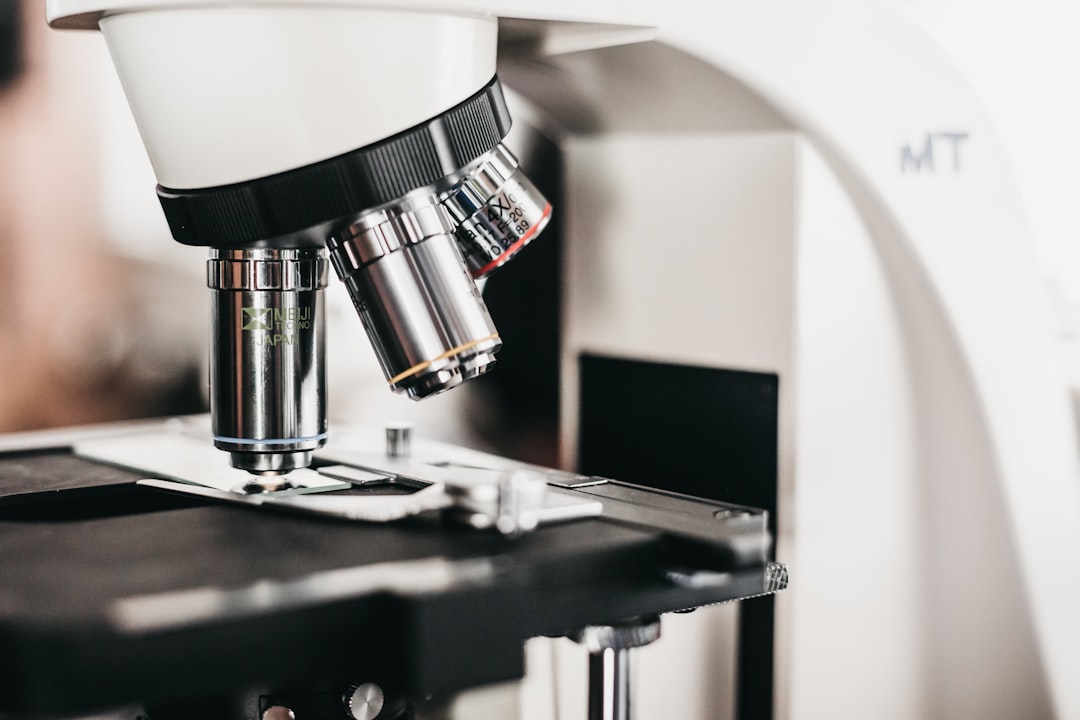
What drives meaningful progress in pathology research? A combination of scientific curiosity, dependable methodologies, technological development, and a consistent focus on translating laboratory knowledge into useful medical insights. Dr. Wael Sakr is associated with a research-oriented approach that reflects the expanding importance of pathology within modern healthcare. As scientific capabilities continue to develop, pathology research provides valuable opportunities to improve understanding of diseases and strengthen the quality of diagnostic knowledge.
Contents
- What has made pathology an increasingly research-focused discipline?
- Why does scientific accuracy matter in pathology research?
- How can research contribute to better diagnostic understanding?
- What influence does technology have on pathology research?
- How does research strengthen collaboration within healthcare?
- What does Dr. Wael Sakr Detroit represent within this evolving environment?
- Where is pathology research heading next?
- Conclusion
What has made pathology an increasingly research-focused discipline?
Pathology has developed into a broad scientific field that examines disease through multiple perspectives. Traditional examination methods now work alongside molecular investigations, digital technologies, advanced imaging, and analytical techniques. This expansion has increased the amount and variety of information available to researchers. A strong research culture helps organize this information, identify meaningful patterns, and transform scientific observations into knowledge that can support future medical progress.
Why does scientific accuracy matter in pathology research?
Accuracy is one of the most important foundations of dependable pathology research. Researchers must carefully evaluate observations, maintain consistent methodologies, and interpret findings within an appropriate scientific context. Reliable processes make it possible to compare results and build stronger conclusions over time. This emphasis on precision can also support improved understanding of disease characteristics and contribute to more informed approaches to diagnostic practice.
How can research contribute to better diagnostic understanding?
Research creates opportunities to examine diagnostic methods from different perspectives. By studying disease patterns, biological characteristics, and laboratory findings, researchers can identify ways to improve the interpretation of complex information. Continuous investigation also allows established methods to be assessed alongside emerging techniques. This process supports gradual refinement and encourages pathology to remain responsive to advances throughout medical science.
What influence does technology have on pathology research?
Technological innovation has introduced new possibilities for collecting, organizing, and interpreting pathology information. Digital pathology can support detailed examination and efficient information management, while molecular techniques can provide deeper insight into biological processes. Data analysis can further assist researchers in recognizing relationships within large collections of information. These developments demonstrate how technology can complement professional expertise and expand the scope of pathology research.
How does research strengthen collaboration within healthcare?
Pathology research naturally connects laboratory science with wider medical disciplines. Findings generated through scientific investigation can contribute to conversations involving clinicians, researchers, and other healthcare professionals. Such collaboration encourages different areas of expertise to work toward shared objectives. The exchange of knowledge can also create opportunities for new research questions, improved methodologies, and broader understanding of complex medical conditions.
What does Dr. Wael Sakr Detroit represent within this evolving environment?
The growing importance of research within pathology provides a useful context for understanding Dr. Wael Sakr Detroit and the broader value of research-led professional work. A commitment to scientific investigation supports the continuing development of pathology by encouraging careful evaluation, knowledge expansion, and constructive adoption of emerging technologies. This approach aligns with the field’s movement toward increasingly integrated and evidence-focused practices.
Where is pathology research heading next?
Future developments are likely to involve stronger integration of molecular science, digital platforms, computational methods, and individualized healthcare strategies. These areas can provide researchers with new opportunities to investigate disease mechanisms and improve the interpretation of complex information. Continued investment in research can help pathology adapt to these changes while preserving the principles of accuracy, consistency, and scientific integrity.
Conclusion
The advancement of pathology depends on continuous research and a willingness to explore better ways of understanding disease. Dr. Wael Sakr reflects the importance of research-driven thinking in a field where scientific discovery and healthcare increasingly intersect. By encouraging precision, technological awareness, and meaningful scientific investigation, pathology research can continue contributing to stronger medical knowledge and positive developments in modern patient care.
Key Takeaways
- Meaningful progress in pathology research is driven by scientific curiosity, dependable methodologies, and technological development.
- Pathology has transformed into a broad scientific field that utilizes traditional examination methods alongside molecular investigations and advanced imaging techniques.
- Accurate methodology is crucial for pathology research as it ensures reliable results, fosters stronger conclusions, and enhances the understanding of disease characteristics.
- Technological innovations in digital pathology and molecular techniques offer enhanced opportunities for the collection and analysis of pathology information.
- Collaboration among clinicians, researchers, and healthcare professionals is strengthened through pathology research, leading to shared objectives and the exchange of knowledge.
- Future trends in pathology research are likely to focus on integrating molecular science, digital platforms, and individualized healthcare strategies.