
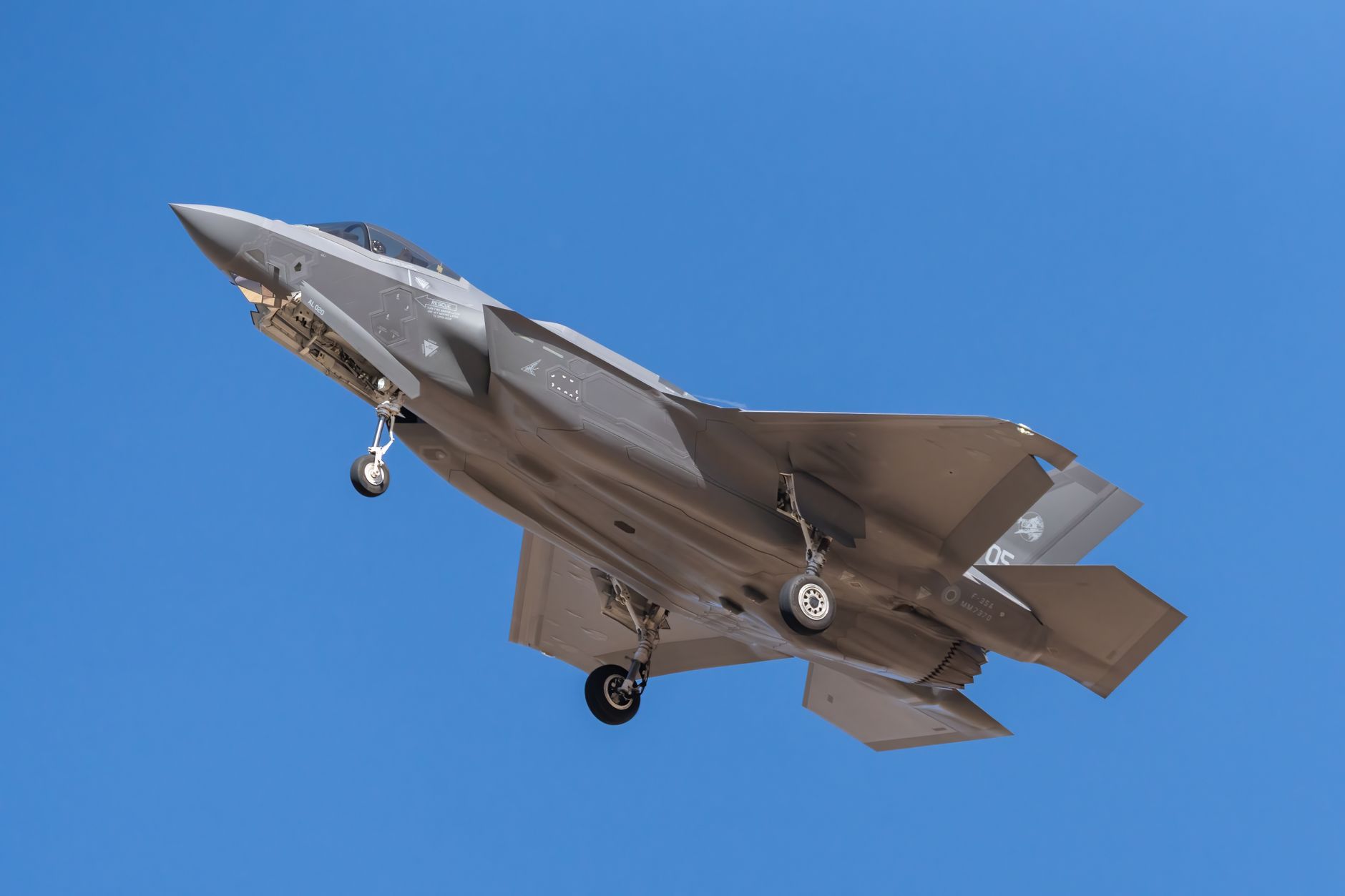
Defence acquisition proposals are essential for enhancing India’s military capabilities. The recent clearance of Rs 1.10 lakh crore reflects a strong focus on sourcing from the Indian industry.
Overview of Defence Acquisition Proposals
The recent meeting of the Defence Acquisition Council (DAC) has resulted in the clearance of defence acquisition proposals worth Rs 1.10 lakh crore. This significant decision highlights the government’s commitment to strengthening national security while promoting indigenous manufacturing.
The proposals focus on various aspects of defence modernization, ensuring that the armed forces are equipped with state-of-the-art technology. Notably, an impressive 98% of the sourcing for these acquisitions is aimed at the Indian industry, reflecting a shift towards self-reliance in defence production.
Key areas covered under these proposals include:
- Advanced fighter aircraft and drones
- Artillery systems and ammunition
- Naval vessels and submarines
- Surveillance and reconnaissance systems
This move is seen as a response to the growing need for modernization in the face of evolving security challenges. Analysts believe that these defence acquisition proposals will not only bolster the military’s capabilities but also stimulate economic growth through increased domestic production.
As the defence sector continues to evolve, the focus remains on finding the best options for ensuring security while fostering local industry.
Impact on Indian Defence Industry
The recent clearance by the Defence Acquisition Council (DAC) for Rs 1.10 lakh crore in defence acquisition proposals marks a significant turning point for the Indian defence industry. This substantial investment aims to enhance the country’s military capabilities while emphasizing indigenization. With 98% of the sourcing planned from the Indian industry, the proposal is expected to stimulate local manufacturing and innovation.
By prioritizing domestic suppliers, the DAC not only boosts economic growth but also fosters self-reliance in defence manufacturing. This shift is crucial as it reduces dependency on foreign entities and strengthens the overall security framework of the nation. Furthermore, the implementation of these acquisition proposals could create numerous job opportunities across various sectors, including technology, engineering, and logistics.
The ripple effects of these decisions extend beyond immediate economic benefits. They may lead to enhanced collaboration between private and public sectors, nurturing a robust ecosystem for research and development. In this context, the defence acquisition proposals serve as a catalyst for innovation, potentially positioning India as a global player in the defence market.
As the Indian defence industry continues to evolve, the focus on local sourcing underlines a commitment to building a sustainable and resilient national security framework.
Key Players in Defence Procurement
In the realm of defence acquisition proposals, several key players significantly influence the procurement process. These stakeholders include governmental bodies, private sector companies, and public sector undertakings, each playing a crucial role in shaping India’s defence landscape.
- Ministry of Defence (MoD): As the primary governmental authority, the MoD oversees all defence procurement activities, ensuring that policies align with national security objectives.
- Defence Acquisition Council (DAC): The DAC is responsible for approving major defence acquisition proposals, setting the stage for procurement strategies and budget allocations.
- Indian Armed Forces: The requirements and specifications provided by the armed forces are essential for guiding procurement decisions and ensuring that the acquisitions meet operational needs.
- Private Sector Players: With the push for ‘Make in India’, private firms are increasingly involved in defence production, contributing innovative solutions and technology.
- Public Sector Undertakings (PSUs): PSUs like Hindustan Aeronautics Limited (HAL) and Bharat Electronics Limited (BEL) have a historical presence in defence manufacturing and continue to be vital for fulfilling procurement needs.
These players collectively drive the effectiveness and efficiency of defence acquisition proposals, ensuring that India’s military capabilities are continuously enhanced.
Recent Developments in Defence Policy
In recent months, the Defence Acquisition Council (DAC) has made significant strides in advancing India’s military capabilities. The council has cleared proposals worth Rs 1.10 lakh crore aimed at modernizing the armed forces. This move is pivotal as it emphasizes the government’s commitment to enhancing national security while promoting indigenous production.
The approved defence acquisition proposals highlight a strategic shift towards sourcing 98% of military equipment from the Indian industry. This initiative is expected to bolster domestic manufacturers, creating jobs and fostering innovation within the sector.
Key developments include:
- Integration of advanced technologies in defence systems.
- Collaboration between public and private sectors to streamline procurement processes.
- Increased focus on research and development for indigenous solutions.
Moreover, the emphasis on local sourcing aligns with the government’s broader vision of ‘Atmanirbhar Bharat,’ or self-reliant India, which aims to reduce dependency on foreign suppliers. As these proposals move toward implementation, the landscape of defence procurement is set to undergo transformative changes, impacting not only the military but also the economy at large.
Future of Defence Acquisition in India
The future of defence acquisition in India appears promising, especially following the recent approval of Rs 1.10 lakh crore in defence acquisition proposals. This significant investment emphasizes the government’s commitment to enhancing national security while boosting the domestic defence industry.
As India continues to modernize its armed forces, the focus will shift towards indigenization and self-reliance in defence production. The emphasis on sourcing 98% of these acquisitions from the Indian industry is a pivotal step in achieving the objectives laid out in the Defence Production Policy.
Several factors will shape the future landscape of defence acquisition proposals:
- Innovation and Technology: Encouraging local research and development will be crucial for fostering innovation.
- Public-Private Partnerships: Collaboration between government and private entities can streamline procurement processes.
- Strategic Alliances: Forming partnerships with global defence manufacturers can enhance capabilities.
- Regulatory Reforms: Simplifying the acquisition process will attract more players into the defence sector.
In conclusion, the evolution of defence acquisition in India will directly influence the nation’s security posture and its role as a global defence manufacturing hub.
Photo by Rafael Minguet Delgado on Pexels
