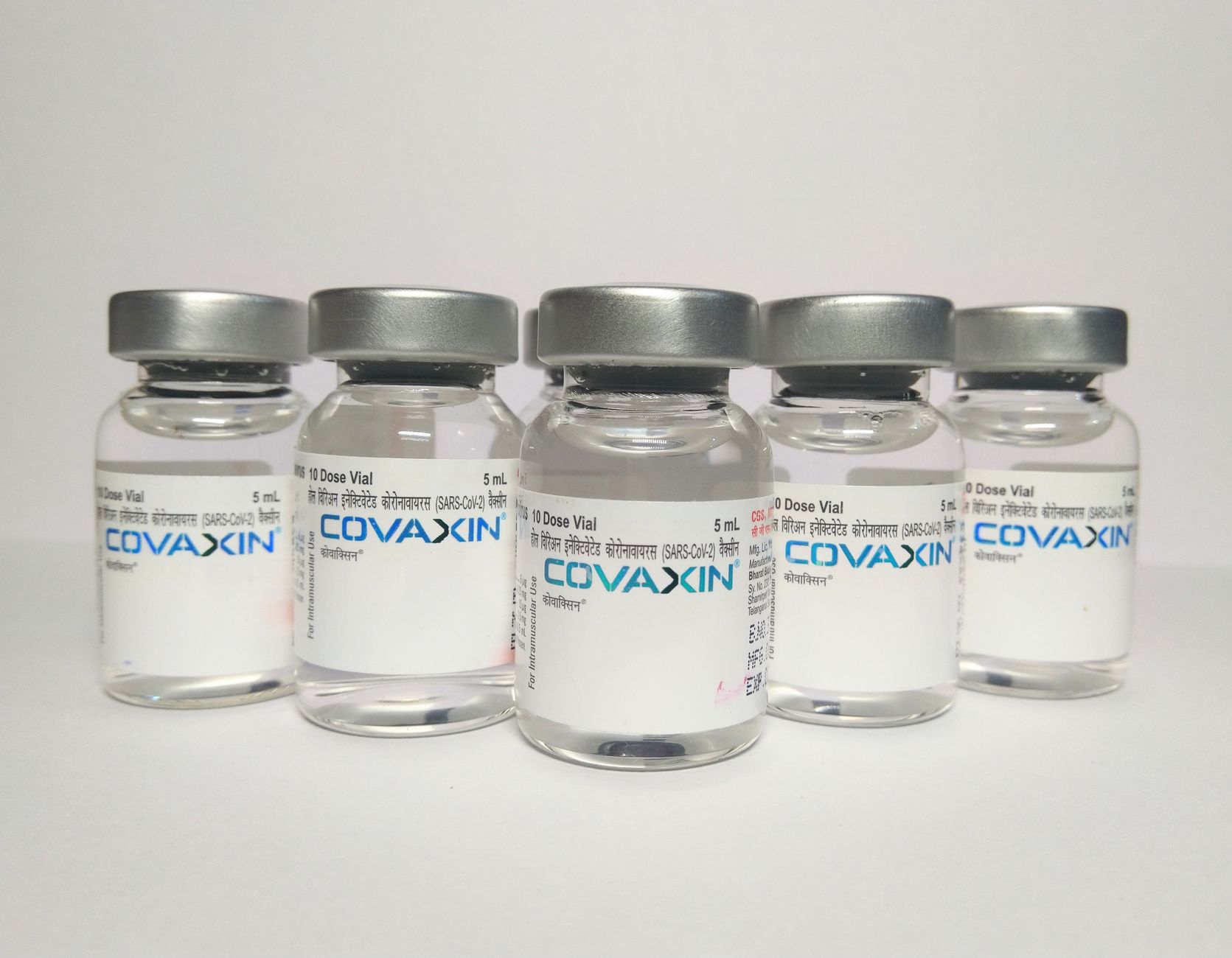
Dengue vaccine India is making headlines as Qdenga prepares for its launch. This new vaccine promises to provide effective protection against dengue fever.
What is Qdenga?
The Qdenga vaccine is a new addition to the fight against dengue fever, which has become a significant health concern in India. Developed to combat the four dengue virus serotypes, Qdenga has shown promising results in clinical trials, with a strong efficacy rate.
This vaccine aims to provide broader protection by targeting multiple strains of the virus, which is crucial given the prevalence of different serotypes across regions. Health authorities are optimistic about its potential to reduce the incidence of dengue infections in the population.
The introduction of Qdenga in India is expected to play a vital role in public health initiatives aimed at controlling dengue outbreaks. As the country prepares for its launch, several important details regarding vaccination schedules and distribution are being finalized.
In summary, the Qdenga vaccine represents a significant advancement in the fight against dengue in India, offering hope for improved health outcomes and reduced dengue transmission.
Understanding dengue fever
Dengue fever is a viral illness transmitted by mosquitoes, primarily the Aedes aegypti species. It is characterized by a sudden onset of fever, severe headaches, joint and muscle pain, and rash. In severe cases, dengue can lead to life-threatening complications, including dengue hemorrhagic fever and dengue shock syndrome.
The disease is endemic in many tropical and subtropical regions, making it a significant public health concern in countries like India. With increasing cases each year, understanding dengue fever’s transmission and symptoms is essential for effective prevention and control.
Vaccination plays a crucial role in managing this disease. The introduction of the dengue vaccine in India aims to reduce the incidence of the virus. The dengue vaccine India rollout, particularly the Qdenga vaccine, is anticipated to provide a new layer of protection for vulnerable populations, especially children.
Continued public awareness and education about dengue fever are vital in combating its spread.
How does the vaccine work?
The dengue vaccine in India, specifically Qdenga, operates by utilizing a novel approach that targets the four serotypes of the dengue virus. This vaccine employs a live attenuated virus strategy, which means it contains weakened forms of the virus that cannot cause disease but can stimulate an immune response.
When administered, Qdenga prompts the body to produce antibodies against dengue, equipping the immune system to recognize and combat the virus if exposed in the future. This multi-serotype effectiveness is crucial, as individuals can contract dengue from any of the four distinct serotypes, and prior infection with one serotype does not guarantee immunity against the others.
Clinical trials have demonstrated that the vaccine has a high efficacy rate, significantly reducing the risk of severe dengue and hospitalization. As the vaccine becomes available in India, it promises to be a vital tool in controlling dengue outbreaks and protecting public health.
Efficacy of Qdenga
The efficacy of Qdenga, a new dengue vaccine, has been a significant focal point in its recent development and impending launch in India. Clinical trials have demonstrated that Qdenga offers robust protection against dengue fever, particularly in regions where the disease is endemic.
Key findings regarding its efficacy include:
- Overall effectiveness: Qdenga has shown an efficacy rate of up to 80% in preventing severe cases of dengue.
- Protection against multiple serotypes: The vaccine is designed to protect against all four dengue virus serotypes, which is crucial for comprehensive immunization.
- Longevity of immunity: Studies suggest that the vaccine provides sustained immunity over several years, reducing the risk of infection during outbreaks.
As India prepares for the rollout of the dengue vaccine Qdenga, health experts are optimistic that it will significantly reduce the incidence of dengue fever and save lives.
Timeline for India launch
The timeline for the launch of the dengue vaccine in India has been a topic of great interest among health professionals and the public alike. Following the successful trials and proven efficacy of Qdenga, the vaccine is set to be introduced in the country by early 2024.
The following key dates outline the anticipated timeline for the dengue vaccine India launch:
- December 2023: Final regulatory approvals expected from the Drug Controller General of India (DCGI).
- January 2024: Initial distribution of the vaccine to select healthcare facilities for pilot programs.
- February 2024: Nationwide rollout of the dengue vaccine Qdenga, available to the general public.
This proactive approach aims to combat the rising incidence of dengue fever across the country and protect vulnerable populations effectively.
Doses required for vaccination
The introduction of the dengue vaccine in India has generated considerable interest, particularly regarding the number of doses required for effective vaccination. The Dengue vaccine India rollout, specifically the Qdenga vaccine, involves a multi-dose schedule to ensure optimal protection against the disease.
For full immunization, individuals will need to receive two doses of the vaccine. These doses are administered approximately three months apart, allowing the body to build a robust immune response against the dengue virus. This schedule is critical, as studies have shown that completing both doses significantly enhances the vaccine’s efficacy.
Healthcare authorities emphasize the importance of adhering to the recommended dosing regimen to maximize protection, especially in regions where dengue is endemic. As awareness grows, it is crucial for the public to understand not only the benefits of vaccination but also the commitment involved in the dosing process.
Importance of vaccination in India
The importance of vaccination in India cannot be overstated, especially given the rising incidence of dengue fever in various regions. With the introduction of the dengue vaccine Qdenga, there is renewed hope for controlling this mosquito-borne disease. Vaccination is crucial for several reasons:
- Prevention of outbreaks: Widespread vaccination can significantly reduce the number of dengue cases, thereby preventing outbreaks that strain healthcare systems.
- Community immunity: When a large portion of the population is vaccinated, it helps protect those who are unvaccinated, including vulnerable groups such as children and the elderly.
- Reducing healthcare costs: By preventing dengue infections, vaccination can lead to substantial savings in medical expenses and reduce the burden on healthcare facilities.
- Public awareness: The launch of the dengue vaccine in India raises awareness about dengue, encouraging further preventive measures against its spread.
In summary, the dengue vaccine India is a significant step towards combating this public health challenge.
The Dengue vaccine India has shown promising results in clinical trials, demonstrating its efficacy in reducing the severity of the disease. As the launch details unfold, health officials are optimistic about its potential impact on public health in the region.
Photo by ÀniL on Pexels