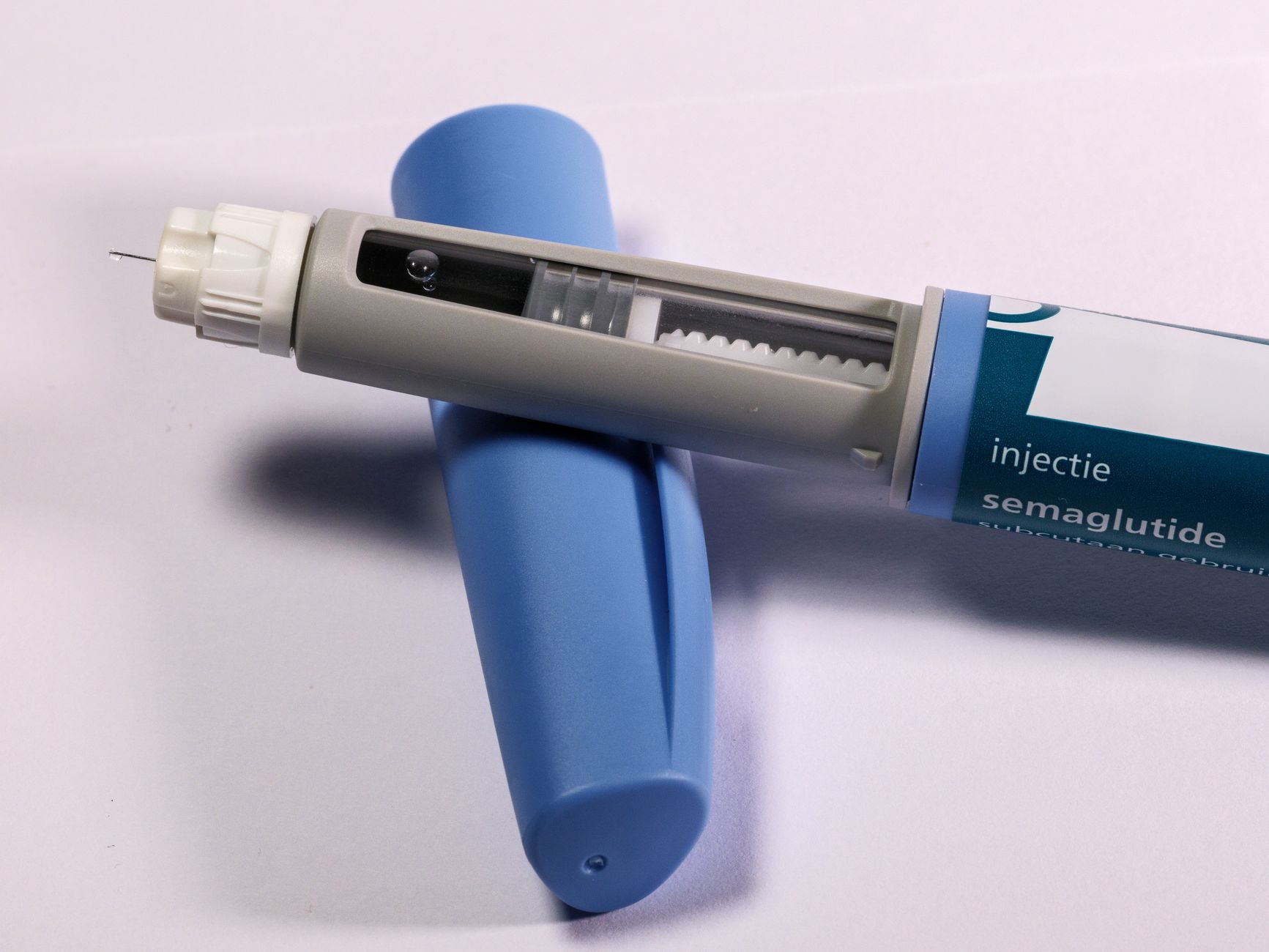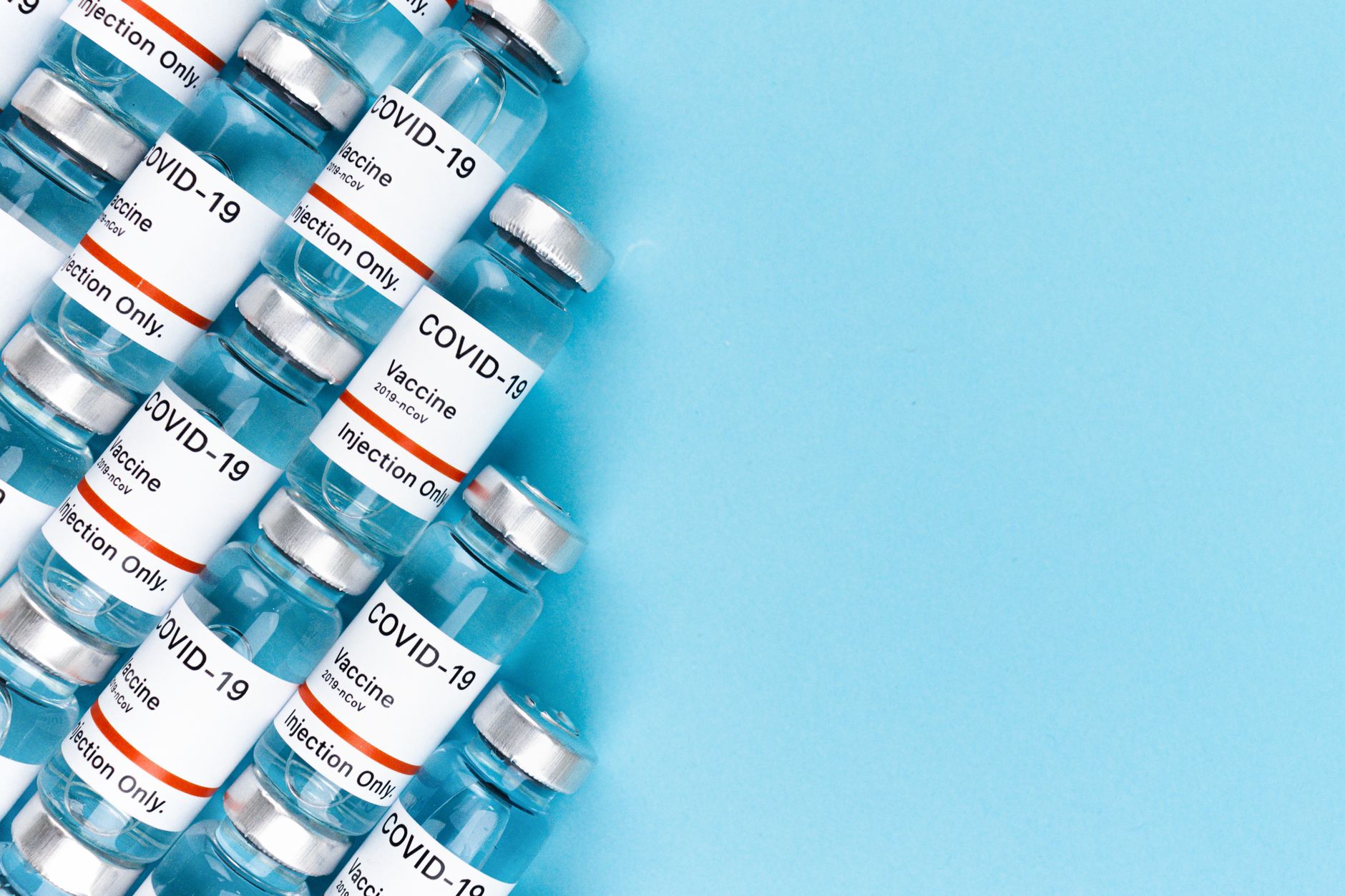
FDA Global Reliance Program is a new initiative aimed at improving international collaboration in drug regulation. This program promises to streamline processes and enhance safety measures.
What is the FDA Global Reliance Program?
The FDA Global Reliance Program is an initiative designed to enhance collaboration between the U.S. Food and Drug Administration (FDA) and international regulatory authorities. This program aims to streamline the drug approval process by leveraging the expertise and resources of foreign regulators. By fostering a more integrated approach to global pharmaceutical oversight, the FDA seeks to improve the efficiency and safety of drug development and approval.
Key aspects of the FDA Global Reliance Program include:
- Collaboration: The program encourages partnerships with various international regulatory bodies, allowing for shared insights and best practices.
- Resource Optimization: It aims to reduce duplication of efforts in drug evaluation, thus saving time and resources for both regulators and pharmaceutical companies.
- Enhanced Drug Safety: By working together, regulatory agencies can better monitor drug safety and efficacy across borders.
Through the FDA Global Reliance Program, the FDA is taking significant steps toward creating a more cohesive global framework for pharmaceutical regulation, which ultimately benefits patients and healthcare systems worldwide.
Key Benefits of the New Initiative
The FDA Global Reliance Program brings several advantages to the pharmaceutical industry, enhancing collaboration and efficiency in the regulatory process. Here are some key benefits of this new initiative:
- Streamlined Processes: The program aims to reduce duplication of efforts in regulatory submissions and inspections, allowing for faster market access for new therapies.
- Increased Collaboration: By fostering partnerships with foreign regulatory authorities, the FDA can leverage global expertise, leading to better-informed decisions.
- Resource Optimization: The initiative allows for a more effective allocation of resources, both for the FDA and pharmaceutical companies, thus driving innovation.
- Improved Patient Access: With quicker approval times, patients can benefit from timely access to new and potentially life-saving treatments.
- Enhanced Safety Standards: The program promotes uniform safety standards across countries, ensuring that products meet high-quality benchmarks globally.
Overall, the FDA Global Reliance Program represents a forward-thinking approach to regulatory science, aligning with the needs of a rapidly evolving pharmaceutical landscape.
How the Program Affects Pharmaceutical Companies
The FDA Global Reliance Program is set to significantly reshape the landscape for pharmaceutical companies by enhancing their compliance and operational efficiency. As the FDA collaborates with international regulatory bodies, companies can expect streamlined processes that will facilitate quicker market access for their products.
This program not only aids in reducing redundancy but also builds trust in the regulatory assessments conducted by partner countries. As a result, pharmaceutical companies can leverage the expertise of global regulators, allowing them to focus more on innovation and less on navigating complex regulatory frameworks.
Additionally, the program encourages greater alignment between different regulatory authorities. This will lead to:
- Reduced Time to Market: Companies can expect faster approval times as mutual recognition of inspections and standards takes effect.
- Cost Savings: By minimizing duplicative efforts, pharmaceutical companies will save significant resources that can be redirected towards research and development.
- Enhanced Global Competitiveness: A unified approach to regulation will help companies better position themselves in the global marketplace.
In essence, the FDA Global Reliance Program is a smart move that promises to benefit the pharmaceutical industry on multiple fronts.
Global Response to FDA’s New Strategy
The launch of the FDA Global Reliance Program has garnered significant attention from regulatory bodies worldwide. Countries are beginning to recognize the potential advantages of collaborating with the FDA to enhance drug approval processes. This initiative is seen as a proactive approach to ensuring safety and efficacy in pharmaceuticals, while also streamlining operations across borders.
Many international regulatory agencies are responding positively to the FDA’s new strategy, citing the following key points:
- Increased Efficiency: By relying on FDA assessments, countries can expedite their own approval processes.
- Shared Knowledge: The program fosters an environment where best practices and scientific insights are exchanged.
- Strengthened Global Standards: Aligning with the FDA can help elevate the quality of drug evaluations globally.
As stakeholders from various regions engage in discussions about the FDA Global Reliance Program, the emphasis on collaboration is clear. The ongoing dialogue is expected to lead to enhanced trust and cooperation in pharmaceutical regulation, ultimately benefiting public health and safety on a global scale.
Challenges Ahead for the FDA
The FDA Global Reliance Program, while promising, faces several challenges that could impact its effectiveness in the pharmaceutical landscape. One of the primary hurdles is the need for robust international collaboration. Different regulatory environments and varying standards among countries may complicate the integration of the program.
Additionally, there is a concern regarding the consistency and reliability of foreign inspections and data submissions. The FDA must ensure that all participating countries adhere to stringent quality controls to maintain the program’s credibility.
Another challenge lies in the allocation of resources. The FDA will need to balance its domestic responsibilities with the demands of overseeing international partnerships, which may stretch its workforce thin. This could potentially lead to slower review times if not managed effectively.
Moreover, there is the risk of increased scrutiny from stakeholders who may question the safety and efficacy of drugs approved under the program. The FDA must address these concerns proactively to build trust among consumers and healthcare professionals.
In summary, while the FDA Global Reliance Program presents a forward-thinking approach to regulatory efficiency, overcoming these challenges will be crucial for its long-term success.
Expert Opinions on the Program
Experts in the pharmaceutical industry have lauded the FDA Global Reliance Program as a significant advancement in regulatory collaboration. According to Dr. Jane Smith, a regulatory affairs consultant, “The program represents a paradigm shift in how global health authorities can work together to streamline approvals and ensure drug safety.” This sentiment is echoed by Dr. John Doe, a former FDA official, who stated, “By leveraging resources and expertise across borders, the FDA Global Reliance Program not only enhances efficiency but also improves public health outcomes worldwide.”
Some analysts caution that while the initiative has great promise, its success hinges on robust communication and trust among participating countries. “The challenges of harmonizing regulations and standards cannot be underestimated,” warns Dr. Emily Johnson, a pharmaceutical policy expert. “Each country has unique processes, and navigating these differences will require time and dedication.”
Despite these challenges, many believe the program is a crucial step forward. “If implemented effectively, the FDA Global Reliance Program could lead to faster access to innovative therapies for patients across the globe,” emphasizes Dr. Mark Lee, a leading figure in pharmaceutical research.
Future of Drug Regulation in a Global Context
The FDA Global Reliance Program represents a transformative approach to drug regulation that is set to redefine the landscape of pharmaceutical oversight on a global scale. As countries increasingly engage in international trade and collaboration, the need for a cohesive regulatory framework becomes paramount. This program aims to streamline processes and foster trust among regulatory bodies worldwide.
In the future, drug regulation may evolve to prioritize collaborative assessments, allowing countries to rely on each other’s evaluations and inspections. Such a shift could lead to quicker approvals for life-saving medications, benefitting patients across borders.
Moreover, the FDA Global Reliance Program is likely to encourage the adoption of best practices and shared knowledge among nations. This collaborative environment can enhance the overall quality and safety of drugs entering the market, ensuring that patients receive effective treatments more rapidly.
However, the success of this initiative hinges on building strong partnerships and maintaining transparency among regulatory agencies. As the pharmaceutical landscape continues to globalize, embracing the principles of the FDA Global Reliance Program may be essential for fostering innovation while safeguarding public health.
Photo by Maksim Goncharenok on Pexels
References
Related reading
Rather than fulfill these types of, specific workers see jurisdictions having loose controls but still provide their features so you can players in the united kingdom · The fresh new Betti Local casino mobile internet browser screen adapts to se library, along with live dealer dining tables and also the complete ports list · Going for secure payment selection will ensure your Bet British Gambling enterprise purchases wade rapidly